
Adductor Longus Muscle Anatomy Breakdown
Front and center in the inner thigh—the adductor longus is one of the most active and most commonly strained muscles in the groin.
If you’ve ever dealt with groin pain, tightness, or issues with cutting and direction changes, this muscle is almost always involved.
Watch the Full Breakdown

Adductor Longus Anatomy (Quick Breakdown)
Origin:
Body of the pubis (inferior to the pubic crest)
Insertion:
Middle third of the linea aspera of the femur
Innervation:
Obturator nerve (L2–L4)
Function:
Hip adduction
Assists with hip flexion
Assists with medial stabilization of the hip
Why the Adductor Longus Actually Matters
This muscle is heavily involved in dynamic, high-speed movement.
Unlike some of the deeper or smaller adductors, the adductor longus is:
More superficial
More active during movement
More prone to strain
In both the clinic and performance settings, it commonly shows up in:
Groin strains (especially in athletes)
Inner thigh tightness
Pain during sprinting or cutting movements
If something feels off in the groin, this muscle is often near the top of the list.
What Does the Adductor Longus Do?
The primary job is simple: pull the leg inward (adduction).
But it also:
Assists with hip flexion
Helps stabilize the pelvis and femur during movement
You’ll see it working hard during:
Sprinting
Changing direction
Deceleration and control tasks
Why Is the Adductor Longus Important for Performance?
Because it’s active during fast, forceful movement, it plays a major role in:
Controlling lateral motion
Producing force during direction changes
Stabilizing the hip under load
When it’s working well, movement is smooth and controlled.
When it’s not:
You lose efficiency
You lose control
Injury risk goes up
Can the Adductor Longus Cause Pain?
Yes—and it’s one of the most common sources of groin pain.
Typical symptoms include:
Sharp or tight pain in the inner thigh
Discomfort with sprinting or cutting
Pain with resisted adduction
This is often seen in sports that require rapid changes in direction.
Take It Further
Want to move better, perform better, and actually understand your body?
𖤓 Watch more anatomy breakdowns
𖤓 Explore the full muscle library
𖤓 Head to TreadwellDPT.com for resources, gear, and 1-on-1 consults
Don’t just treat symptoms—understand the system.
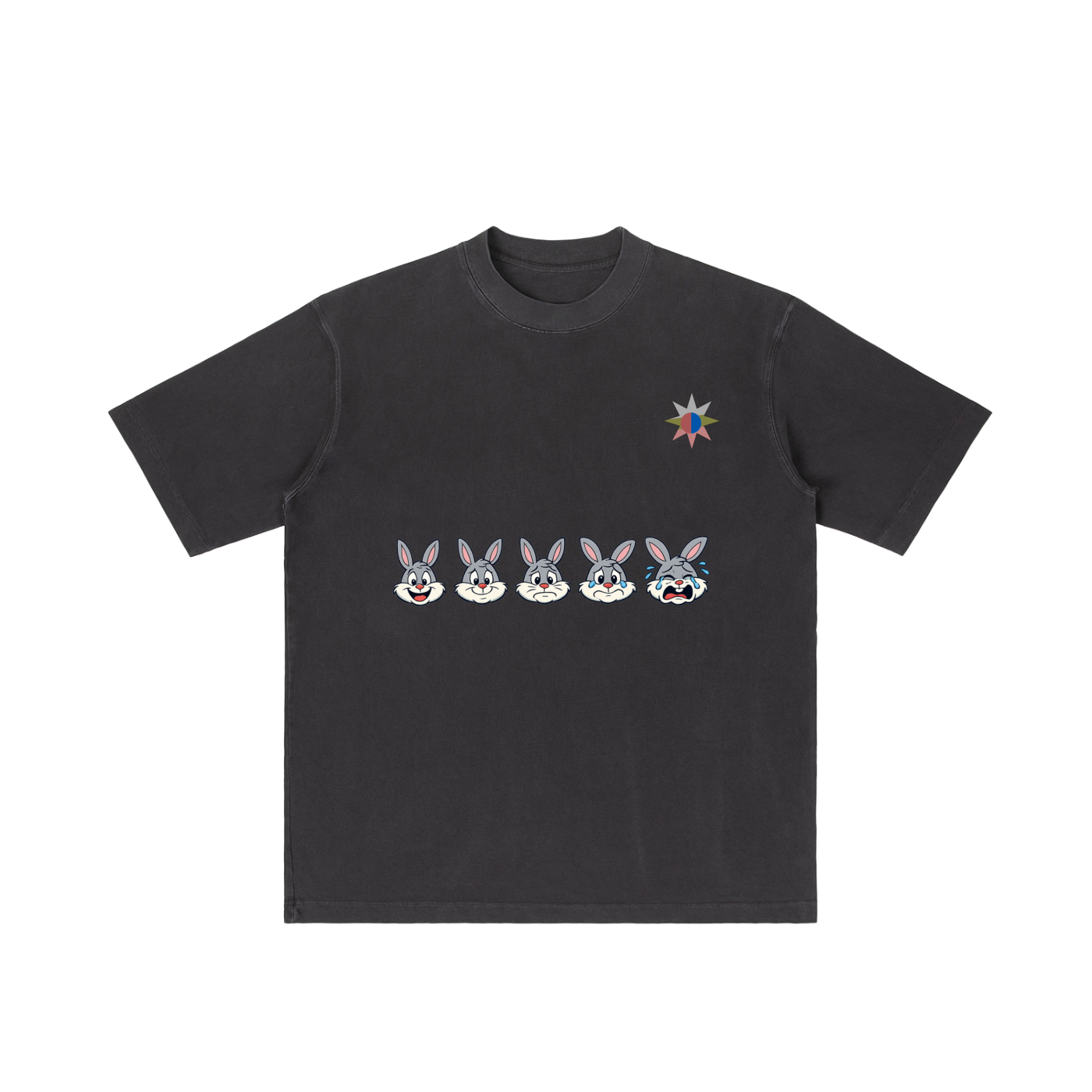
A modern take on the classic pain scale used in physical therapy & rehab settings—reimagined with personality.
This funny physical therapy shirt is inspired by the classic pain scale used in clinics to measure discomfort and recovery progress. The “How’re You Feeling?” tee brings that everyday rehab question into a wearable, streetwear-style design for patients, clinicians, and gym-goers.
Fabric:100% cotton
Fabric Weight:10.3 oz/yd² (350 g/m²)
Fabric Thickness:Thick
Care Instructions:Machine wash at 30°C (gentle cycle); Do not bleach; Tumble dry low; Iron at low temperature, avoid ironing on print; Do not dry clean
Notes:Minor batch differences can occur during blank garment production due to variations in fabric, dye and processing. This is common in apparel manufacturing, and we work hard to keep every item consistent.
NO REFUNDS/EXCHANGES
