
Adductor Magnus Muscle Anatomy Breakdown
Big, powerful, and doing more than people realize—the adductor magnus is one of the largest muscles in the body… and one of the most misunderstood.
It’s not just an adductor. It’s also a major contributor to hip extension, depending on which part you’re looking at.
If you’re dealing with groin issues, posterior chain limitations, or hip power problems, this muscle is a key player.
Watch the Full Breakdown

Adductor Magnus Anatomy (Quick Breakdown)
Origin:
Inferior pubic ramus and ischial ramus (adductor portion)
Ischial tuberosity (hamstring portion)
Insertion:
Linea aspera of the femur (adductor portion)
Adductor tubercle of the femur (hamstring portion)
Innervation:
Obturator nerve (adductor portion)
Tibial division of the sciatic nerve (hamstring portion)
Function:
Hip adduction
Hip extension (primarily hamstring portion)
Assists with stabilization of the femur
Why Adductor Magnus Actually Matters
This muscle is doing double duty.
The adductor portion behaves like a traditional inner thigh muscle
The hamstring portion acts more like a posterior chain muscle
That means it’s heavily involved in:
Producing force
Controlling movement
Stabilizing the hip
In the clinic and performance settings, it shows up in:
Groin strains
Posterior chain weakness or imbalance
Reduced power in sprinting, jumping, or lifting
If you ignore this muscle, you’re missing a huge piece of lower body function.
What Does the Adductor Magnus Do?
The adductor magnus brings the leg inward (adduction)—but that’s only part of the story.
The posterior (hamstring) portion also helps extend the hip, making it a major contributor to powerful movements like:
Sprinting
Deadlifting
Jumping
This dual role makes it one of the most important muscles for both movement and performance.
Why Is the Adductor Magnus Important for Performance?
Because it sits at the intersection of the adductors and posterior chain, it plays a major role in:
Force production
Deceleration control
Hip stability under load
When functioning well, it helps create efficient, powerful movement.
When it’s not:
Power drops off
Movement becomes inefficient
Injury risk can increase
Can the Adductor Magnus Cause Pain?
Yes—and it can show up in a few different ways depending on which portion is involved.
Common presentations include:
Deep groin pain
Inner thigh tightness
Posterior thigh discomfort (especially near the ischial tuberosity)
Because of its size and complexity, it’s often part of broader movement issues rather than acting alone.
Take It Further
Want to move better, perform better, and actually understand your body?
𖤓 Watch more anatomy breakdowns
𖤓 Explore the full muscle library
𖤓 Head to TreadwellDPT.com for resources, gear, and 1-on-1 consults
Real progress starts with understanding.
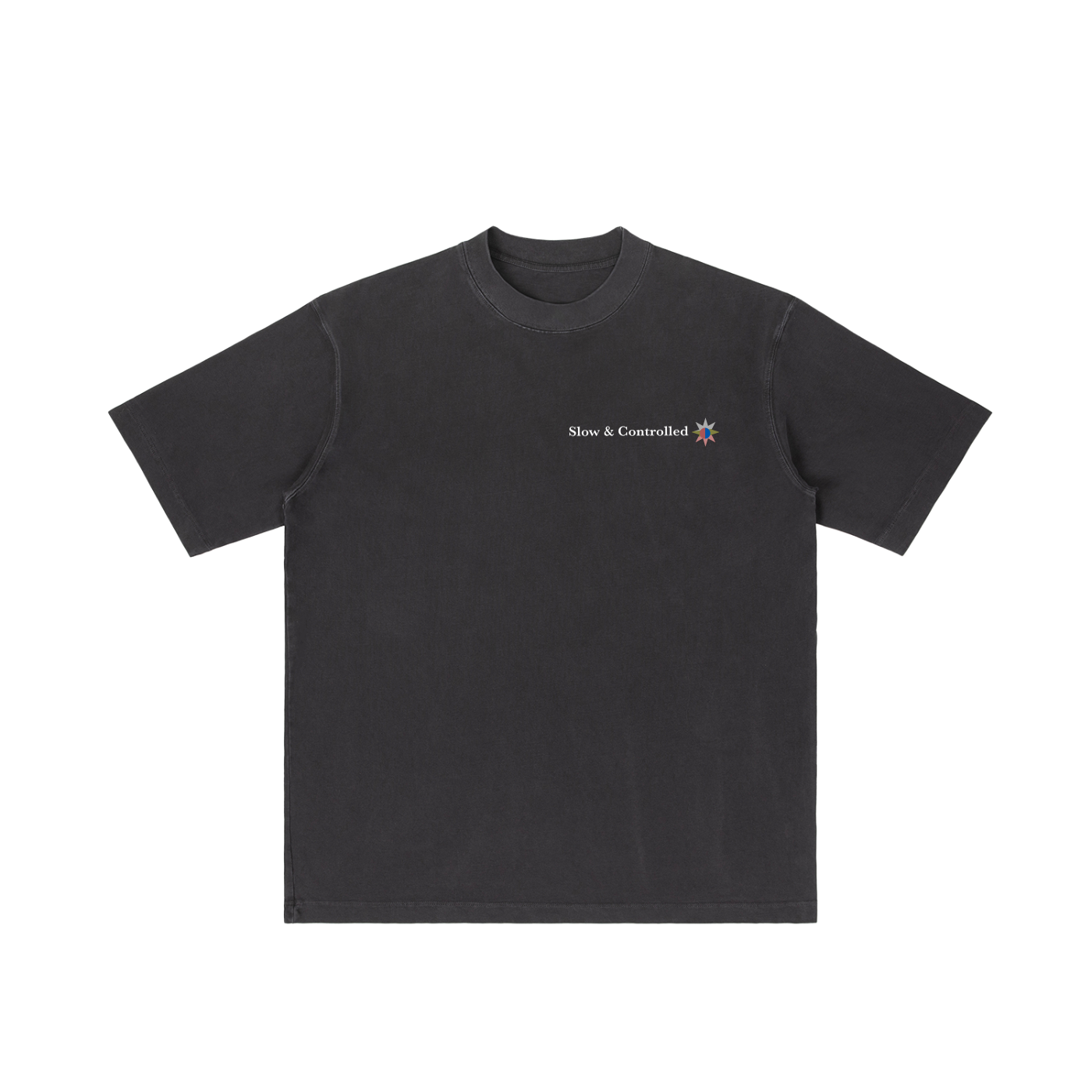
Real progress isn’t rushed.
Whether you’re in rehab or under the bar, control is what drives adaptation.
This physical therapy shirt is built around the principle of slow, controlled movement—essential for both rehabilitation and strength training.
The “Slow & Controlled” tee represents proper loading, movement control, and long-term adaptation for lifters, clinicians, and athletes.
Fabric:100% cotton
Fabric Weight:10.3 oz/yd² (350 g/m²)
Fabric Thickness:Thick
Care Instructions:Machine wash at 30°C (gentle cycle); Do not bleach; Tumble dry low; Iron at low temperature, avoid ironing on print; Do not dry clean
Notes:Minor batch differences can occur during blank garment production due to variations in fabric, dye and processing. This is common in apparel manufacturing, and we work hard to keep every item consistent.
NO REFUNDS/EXCHANGES
