
Gracilis Muscle Anatomy Breakdown
Long, thin, and running straight down the inner thigh—the gracilis doesn’t get much attention… but it plays a quiet, important role in both hip and knee movement.
If you’re dealing with inner thigh tightness, medial knee pain, or issues with control during movement, this muscle is part of the conversation.
Watch the Full Breakdown
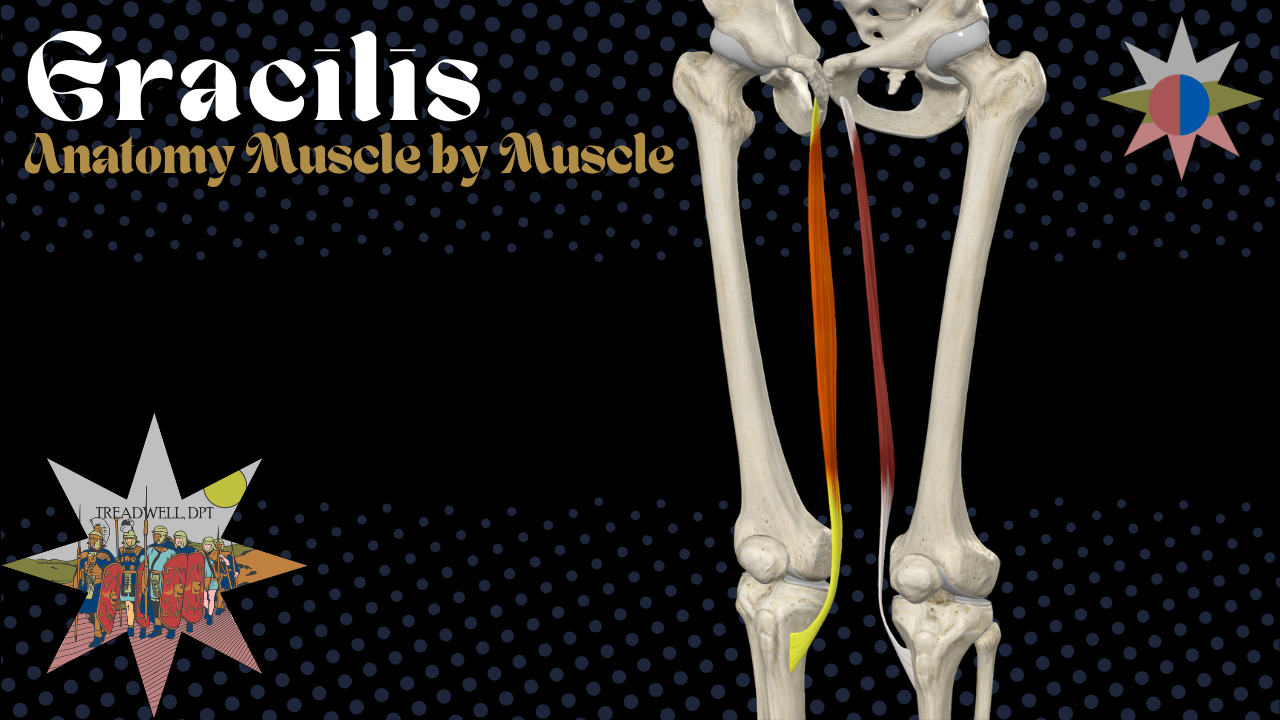
Gracilis Muscle Anatomy (Quick Breakdown)
Origin:
Inferior pubic ramus and body of pubis
Insertion:
Medial surface of the proximal tibia (pes anserine region)
Innervation:
Obturator nerve (L2–L3)
Function:
Hip adduction
Assists with knee flexion
Assists with internal rotation of the tibia
Why the Gracilis Actually Matters
The gracilis is one of the few muscles that crosses both the hip and knee on the medial side—giving it a unique role in coordinating movement and stabilizing the lower limb.
In the clinic and in performance, it’s often involved in:
Medial knee pain (especially at the pes anserine)
Groin strain or inner thigh tightness
Poor control during cutting, pivoting, or lateral movement
It’s rarely the star of the show—but when it’s not doing its job, things don’t feel right.
What Does the Gracilis Muscle Do?
The gracilis helps bring the leg inward (hip adduction) while also assisting with bending the knee.
Because it crosses two joints, it contributes to coordinated movement patterns rather than just producing force in one direction.
You’ll see it working during:
Sprinting
Changing direction
Stabilizing the leg during stance and movement
Why Is the Gracilis Important for Knee Stability?
At its insertion, the gracilis joins the sartorius and semitendinosus to form the pes anserine—a key stabilizing structure on the inner knee.
This area helps:
Control rotational forces
Support medial knee stability
Assist with deceleration
When this system is overloaded or irritated, pain and dysfunction can show up quickly.
Can the Gracilis Cause Pain?
Yes—especially along the inner thigh or near the medial knee.
Common presentations include:
Inner thigh discomfort or tightness
Medial knee pain
Tenderness near the pes anserine
This is often part of a broader pes anserine irritation pattern, rather than an isolated issue.
Take It Further
Want to move better, perform better, and actually understand your body?
𖤓 Watch more anatomy breakdowns
𖤓 Explore the full muscle library
𖤓 Head to TreadwellDPT.com for resources, gear, and 1-on-1 consults
Clarity beats guesswork every time.
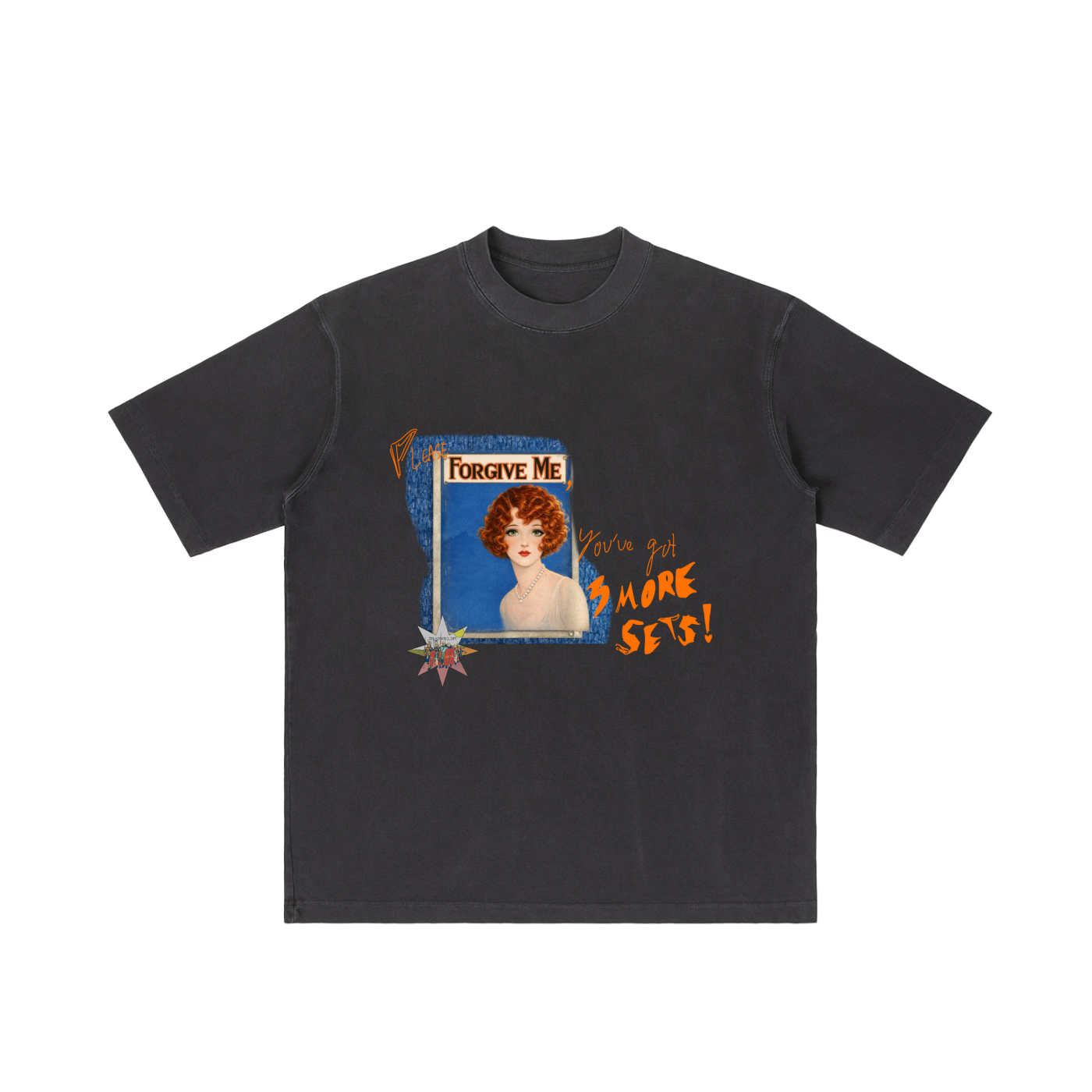
You’ve got more work to do!
A physical therapy inside joke turned streetwear. The “Forgive Me” tee is for lifters, rehab patients, and clinicians who know…
our exercise program is always progressing.
Fabric:100% cotton
Fabric Weight:10.3 oz/yd² (350 g/m²)
Fabric Thickness:Thick
Care Instructions:Machine wash at 30°C (gentle cycle); Do not bleach; Tumble dry low; Iron at low temperature, avoid ironing on print; Do not dry clean
Features:Basics, Casual, Sporty, Street, Daily Casual, Outdoor, Sport, Office, Pure Cotton, Washed, Short Sleeve, Drop Shoulder, Round Neck / O-Neck, Long, Oversized, Spring, Summer, Autumn
Notes:Minor batch differences can occur during blank garment production due to variations in fabric, dye and processing. This is common in apparel manufacturing, and we work hard to keep every item consistent.
NO REFUNDS/EXCHANGES
