
Iliacus Muscle Anatomy Breakdown
Deep in the front of the hip, lining the inside of the pelvis—the iliacus is a major driver of hip flexion… but it doesn’t work alone.
This muscle teams up with the psoas major to form the iliopsoas, one of the most powerful and important movement muscles in the body.
If you’re dealing with hip tightness, anterior hip pain, or limitations in mobility and performance, this is a muscle you can’t ignore.
Watch the Full Breakdown
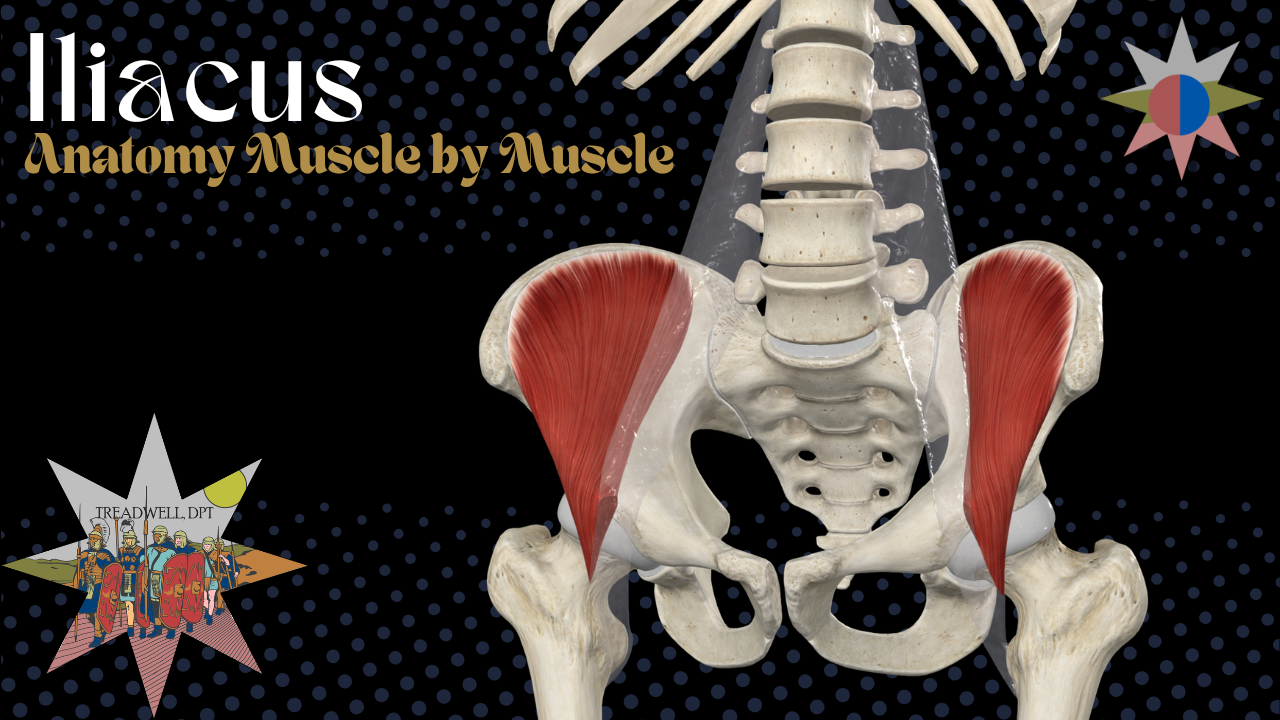
Iliacus Muscle Anatomy (Quick Breakdown)
Origin:
Iliac fossa of the pelvis
Insertion:
Lesser trochanter of the femur (via the iliopsoas tendon)
Innervation:
Femoral nerve (L2–L3)
Function:
Hip flexion
Assists with external rotation of the hip
Stabilizes the anterior hip
Why the Iliacus Actually Matters
The iliacus is a primary contributor to hip flexion, especially when working with the psoas major.
Together, they:
Drive powerful forward movement (running, sprinting, climbing)
Help control the hip during dynamic motion
Stabilize the pelvis and femur
In the clinic and performance settings, dysfunction here can show up as:
Anterior hip pain
Hip flexor tightness
Reduced stride efficiency or power
If the hip isn’t moving well, the iliacus is almost always part of the equation.
What Does the Iliacus Muscle Do?
The iliacus pulls the femur upward toward the pelvis—creating hip flexion.
Because of its broad, fan-shaped origin, it also helps guide the femur smoothly during movement rather than just pulling in a straight line.
You’ll see it heavily involved in:
Walking and running
Sprint acceleration
Bringing the knee toward the chest
Why Is Iliacus Important for Hip Function?
The iliacus plays a key role in efficient, coordinated movement.
It helps:
Initiate hip flexion
Control femoral positioning
Support smooth transitions between movements
When it’s not functioning well, you may see:
Compensations through the lower back
Decreased movement efficiency
Increased stress on surrounding structures
Can the Iliacus Cause Pain?
Yes—especially in the front of the hip or deep pelvic region.
Common presentations include:
Anterior hip discomfort
Tightness with hip extension
Pain with lifting the leg
Because of its depth, it can be harder to identify—but it’s frequently involved in hip-related issues.
Build the Full Picture
The iliacus doesn’t work alone.
Explore the psoas major breakdown (iliopsoas connection)
Take It Further
Want to move better, perform better, and actually understand your body?
𖤓 Watch more anatomy breakdowns
𖤓 Explore the full muscle library
𖤓 Head to TreadwellDPT.com for resources, gear, and 1-on-1 consults
Understanding your body changes how you train—and how you recover.
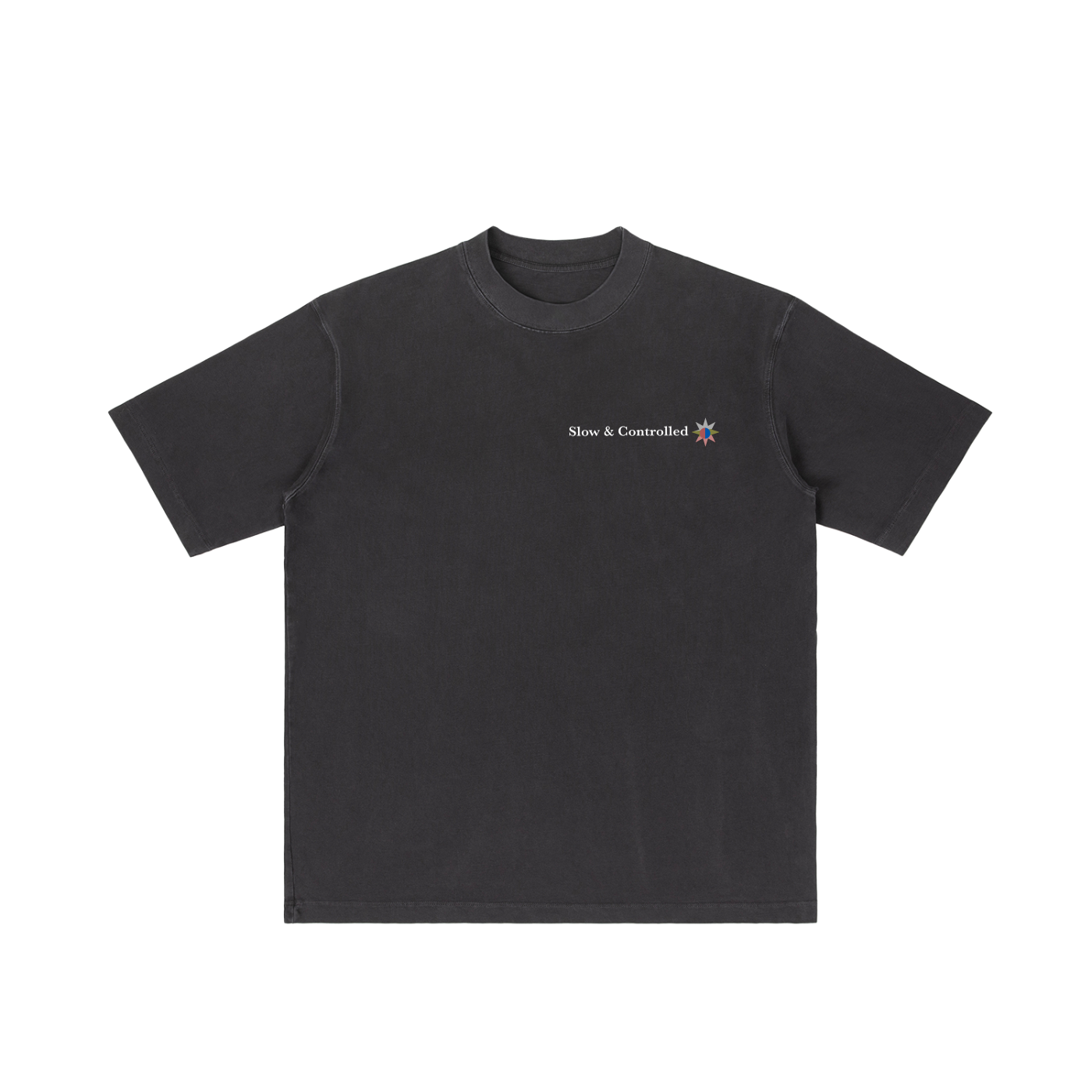
Real progress isn’t rushed.
Whether you’re in rehab or under the bar, control is what drives adaptation.
This physical therapy shirt is built around the principle of slow, controlled movement—essential for both rehabilitation and strength training.
The “Slow & Controlled” tee represents proper loading, movement control, and long-term adaptation for lifters, clinicians, and athletes.
Fabric:100% cotton
Fabric Weight:10.3 oz/yd² (350 g/m²)
Fabric Thickness:Thick
Care Instructions:Machine wash at 30°C (gentle cycle); Do not bleach; Tumble dry low; Iron at low temperature, avoid ironing on print; Do not dry clean
Notes:Minor batch differences can occur during blank garment production due to variations in fabric, dye and processing. This is common in apparel manufacturing, and we work hard to keep every item consistent.
NO REFUNDS/EXCHANGES
