
Soleus Muscle Anatomy
The soleus is a deep calf muscle that sits underneath the gastrocnemius.
It’s not as visible, not as flashy, and doesn’t get nearly as much attention — but when it comes to endurance, stability, and everyday movement, the soleus is doing a ton of the work.
Quiet muscle. Heavy workload.

What Is the Soleus?
The soleus is a broad, flat muscle in the posterior lower leg, located deep to the gastrocnemius.
It forms part of the triceps surae along with the gastrocnemius.
Unlike the gastrocnemius, the soleus does not cross the knee joint — it only acts at the ankle.
This difference is what makes it so important.
Soleus Origin and Insertion
The soleus originates from:
𖤓 Posterior tibia (soleal line)
𖤓 Head and proximal fibula
It inserts via the Achilles tendon onto the posterior calcaneus.
It shares that insertion with the gastrocnemius, but its role is very different.
Soleus Function
The soleus is a primary driver of plantarflexion, just like the gastrocnemius — but it works differently.
Its main roles include:
𖤓 Sustained plantarflexion (endurance work)
𖤓 Postural control during standing
𖤓 Stabilizing the ankle during walking
𖤓 Controlling forward tibial movement
The soleus is most active when the knee is bent.
This is key — because it means if you’re only training calves with straight-leg exercises, you’re missing it.
Soleus Innervation
The soleus is innervated by the tibial nerve, consistent with the rest of the posterior compartment.
Why the Soleus Matters Clinically
The soleus is heavily involved in everyday movement.
Walking, standing, balancing — it’s constantly working in the background.
Because of that, it is a common contributor to:
𖤓 Calf tightness
𖤓 Deep calf pain
𖤓 Fatigue-related lower leg symptoms
𖤓 Running-related injuries
Soleus strains are often more subtle than gastrocnemius strains.
Less dramatic. More nagging.
And easier to overlook.
Soleus vs Gastrocnemius
If you don’t understand this difference, you’re going to miss things clinically.
The soleus is more active during:
𖤓 Endurance activities
𖤓 Walking and standing
𖤓 Movements with the knee bent
The gastrocnemius is more active during:
𖤓 Sprinting
𖤓 Jumping
𖤓 Explosive movements
𖤓 Movements with the knee straight
You need both.
But most people train one and ignore the other.
Soleus and Performance
The soleus is a major contributor to running efficiency and endurance.
It helps:
𖤓 Maintain forward progression
𖤓 Absorb and redistribute forces
𖤓 Improve movement efficiency over time
It may not generate the same peak force as the gastrocnemius, but it plays a huge role in keeping you going.
If your soleus fatigues early, everything else has to compensate.
Soleus Pain
Soleus-related pain often presents as:
𖤓 Deep, diffuse calf discomfort
𖤓 Tightness that builds over time
𖤓 Pain with prolonged activity
𖤓 Symptoms that worsen during or after running
Because it’s deeper, it can be harder to pinpoint.
And just like with other calf structures — don’t assume.
You still need to consider:
Gastrocnemius strain
Achilles tendon involvement
Vascular issues (rule out red flags)
Always zoom out before locking in on one structure.
How to Train or Rehab the Soleus
If you want to actually train the soleus, you need to bend the knee.
That’s non-negotiable.
Effective strategies include:
𖤓 Seated calf raises (primary soleus exercise)
𖤓 Bent-knee calf raises
𖤓 Isometric holds
𖤓 High-rep endurance work
𖤓 Gradual loading for running return
The soleus responds well to volume and consistency.
It’s built for endurance — train it like one.
Final Thoughts
The soleus is the backbone of calf endurance and lower-leg stability.
It works constantly, supports efficient movement, and plays a major role in keeping you going over time.
If you’re only training what you can see, you’re leaving performance on the table.
Train the soleus — and your movement will reflect it.
Much more in store; even more to come. Stay tuned, stay locked. Treadwell, DPT. Catch you next time!
Want to understand how your calves actually work together?
Don’t stop at one muscle — check out the full Calf Muscle Anatomy guide and see how the gastrocnemius, soleus, and plantaris all connect.
FAQs About the Soleus
What does the soleus muscle do?
The soleus plantarflexes the ankle and plays a major role in endurance, posture, and sustained lower-leg activity.
Where is the soleus located?
The soleus is located deep in the calf, underneath the gastrocnemius.
What nerve innervates the soleus?
The soleus is innervated by the tibial nerve.
How do you target the soleus?
You target the soleus by performing calf exercises with a bent knee, such as seated calf raises.
Why is the soleus important for runners?
The soleus helps maintain efficiency, absorb forces, and support endurance during running.
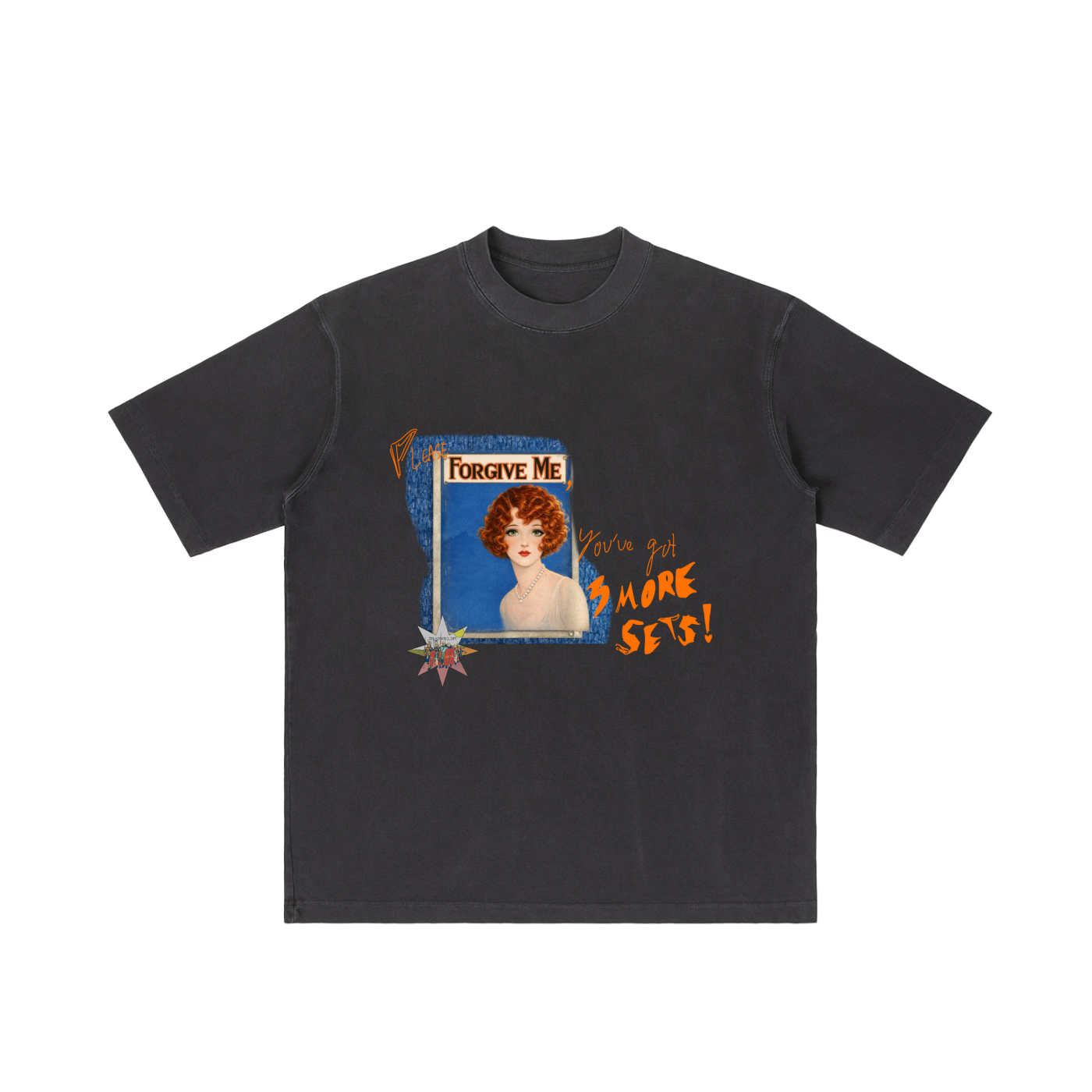
You’ve got more work to do!
A physical therapy inside joke turned streetwear. The “Forgive Me” tee is for lifters, rehab patients, and clinicians who know…
our exercise program is always progressing.
Fabric:100% cotton
Fabric Weight:10.3 oz/yd² (350 g/m²)
Fabric Thickness:Thick
Care Instructions:Machine wash at 30°C (gentle cycle); Do not bleach; Tumble dry low; Iron at low temperature, avoid ironing on print; Do not dry clean
Features:Basics, Casual, Sporty, Street, Daily Casual, Outdoor, Sport, Office, Pure Cotton, Washed, Short Sleeve, Drop Shoulder, Round Neck / O-Neck, Long, Oversized, Spring, Summer, Autumn
Notes:Minor batch differences can occur during blank garment production due to variations in fabric, dye and processing. This is common in apparel manufacturing, and we work hard to keep every item consistent.
NO REFUNDS/EXCHANGES
