
Gastrocnemius Muscle Anatomy
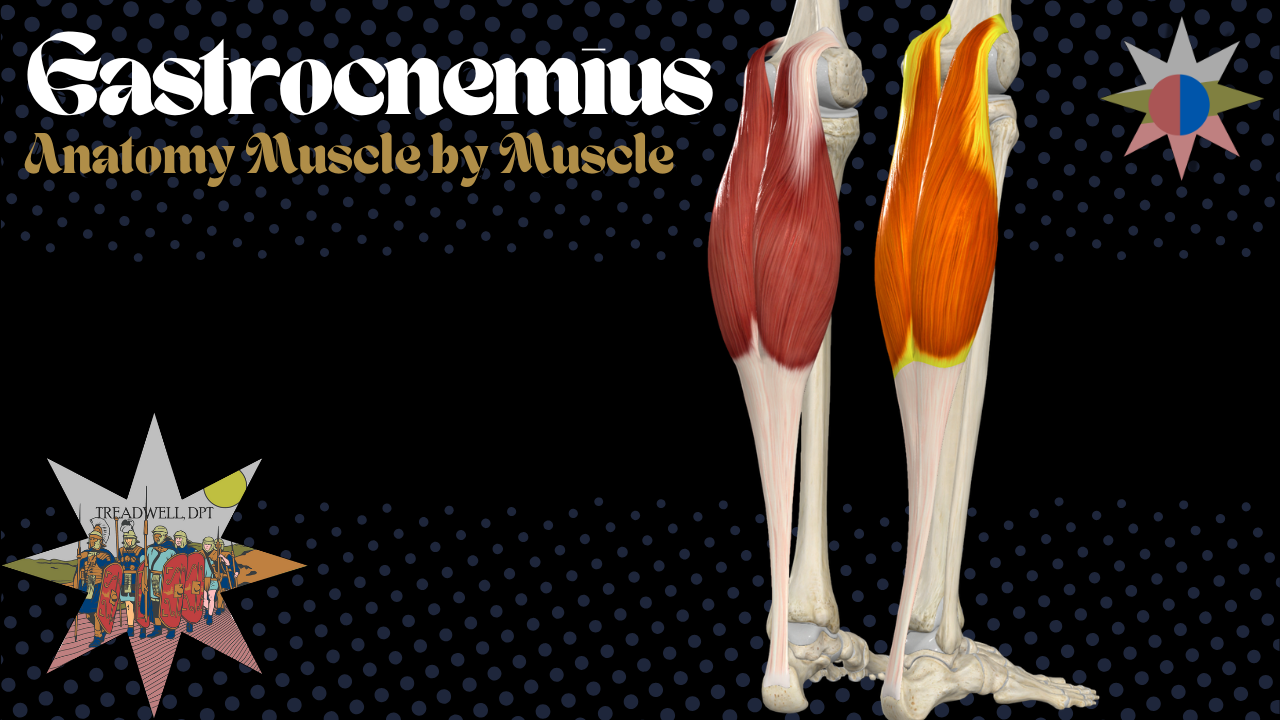
The gastrocnemius is the large, superficial calf muscle that most people think of when they think “calves.”
It’s responsible for explosive movement, speed, and visible calf definition.
But beyond aesthetics, this muscle plays a major role in walking, running, jumping, and overall lower-body performance.
Big muscle. Big-time output.
𖤓Watch the full Gastrocnemius Anatomy Breakdown video below.𖤓
What Is the Gastrocnemius?
The gastrocnemius is a two-headed muscle located in the posterior lower leg.
It forms the bulk of the upper calf and is the most visible muscle in this region.
The two heads are:
𖤓 Medial head
𖤓 Lateral head
These heads originate above the knee and merge into the Achilles tendon, which inserts into the heel.
Because it crosses both the knee and ankle joints, the gastrocnemius has a unique role in lower-body movement.
Gastrocnemius Origin and Insertion
The gastrocnemius originates from:
𖤓 Medial femoral condyle (medial head)
𖤓 Lateral femoral condyle (lateral head)
It inserts via the Achilles tendon onto the posterior calcaneus.
That long tendon allows the gastrocnemius to generate powerful force through the ankle.
Gastrocnemius Function
The gastrocnemius is a primary driver of plantarflexion — pointing the foot downward.
It also assists with:
𖤓 Knee flexion
𖤓 Propulsion during walking and running
𖤓 Jumping and explosive movements
𖤓 Deceleration and shock absorption
This muscle is especially active during fast, powerful movements like sprinting and jumping.
If you’re moving explosively, the gastrocnemius is heavily involved.
Gastrocnemius Innervation
The gastrocnemius is innervated by the tibial nerve, which supplies the posterior compartment of the leg.
Why the Gastrocnemius Matters Clinically
This muscle is one of the most commonly injured in the lower leg.
Gastrocnemius strains often occur during:
𖤓 Sprinting
𖤓 Sudden acceleration or deceleration
𖤓 Jumping or pushing off
𖤓 Rapid changes in direction
The medial head is more frequently injured, especially in middle-aged athletes — often referred to as “tennis leg.”
Symptoms may include:
𖤓 Sudden sharp pain in the calf
𖤓 A “popping” or tearing sensation
𖤓 Difficulty walking or pushing off
𖤓 Swelling or bruising
This muscle is powerful — and when it gets overloaded, it lets you know quickly.
Gastrocnemius vs Soleus
The gastrocnemius often gets lumped together with the soleus, but they function differently.
The gastrocnemius is more involved in:
𖤓 Explosive movements
𖤓 Fast running and sprinting
𖤓 Movements with the knee extended
The soleus, on the other hand, is more active during:
𖤓 Endurance activities
𖤓 Postural control
𖤓 Slow, sustained movements
If you’re only training one, you’re missing part of the system.
Gastrocnemius and Performance
If your goal is speed, jumping ability, or athletic performance, the gastrocnemius matters.
This muscle contributes heavily to:
𖤓 Sprint speed
𖤓 Vertical jump
𖤓 Change of direction
𖤓 Elastic energy return during running
It acts like a spring — storing and releasing energy with each step.
The stronger and more efficient it is, the better you move.
Gastrocnemius Pain
Calf pain involving the gastrocnemius is common, but it’s not always straightforward.
Possible causes include:
Muscle strain
Overuse
Tightness or reduced flexibility
Poor loading strategies
Compensation from other areas
And just like with the plantaris — don’t jump to conclusions.
You still need to rule out:
Soleus injury
Achilles tendon issues
Deep vein thrombosis (serious — don’t ignore red flags)
Context matters.
How to Train or Rehab the Gastrocnemius
If you want strong, resilient calves, you need to load them properly.
Effective strategies include:
𖤓 Standing calf raises (knee straight — targets gastrocnemius)
𖤓 Eccentric calf training
𖤓 Plyometric progressions
𖤓 Sprint and acceleration work
𖤓 Progressive overload
If you’re rehabbing, the key is gradual loading — not jumping back into high-intensity movement too quickly.
The gastrocnemius thrives on load… but it also gets injured when that load is mismanaged.
Final Thoughts
The gastrocnemius is one of the most important muscles for movement and performance.
It drives power, supports locomotion, and plays a major role in athletic output.
Train it well, respect its limits, and it will carry you.
Ignore it, rush it, or overload it… and it will slow you down.
Much more in store; even more to come. Stay tuned, stay locked. Treadwell, DPT. Catch you next time!
Want to understand how your calves actually work together?
Don’t stop at one muscle — check out the full Calf Muscle Anatomy guide and see how the gastrocnemius, soleus, and plantaris all connect.
FAQs About the Gastrocnemius
What does the gastrocnemius muscle do?
The gastrocnemius primarily plantarflexes the ankle and assists with knee flexion, playing a key role in walking, running, and jumping.
Where is the gastrocnemius located?
The gastrocnemius is the large, superficial muscle in the back of the lower leg, forming the bulk of the calf.
What nerve innervates the gastrocnemius?
The gastrocnemius is innervated by the tibial nerve.
Why is the gastrocnemius prone to injury?
Because it crosses both the knee and ankle joints and is heavily involved in explosive movements, it is more susceptible to strain.
What is “tennis leg”?
“Tennis leg” typically refers to a strain of the medial head of the gastrocnemius, often occurring during sudden movement.
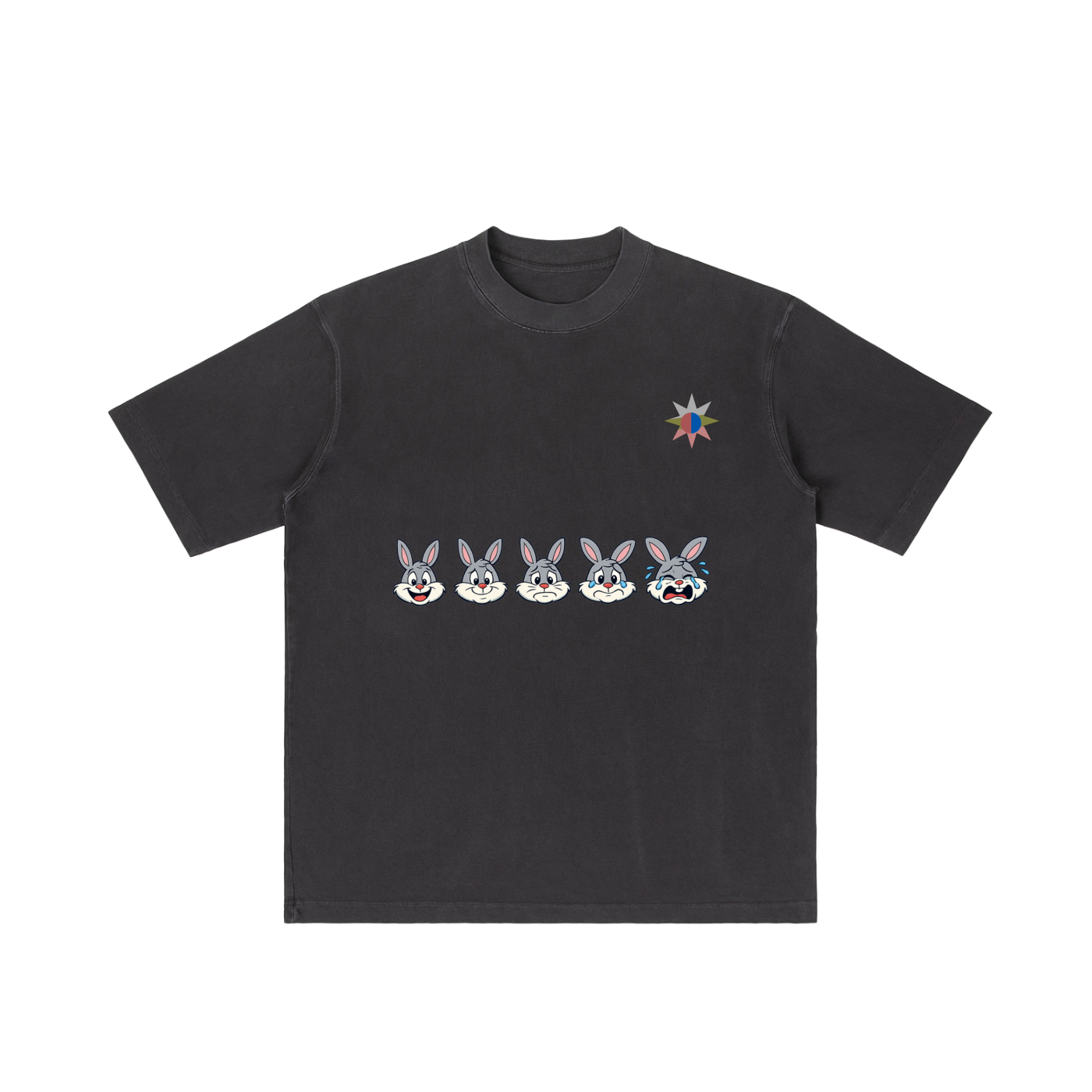
A modern take on the classic pain scale used in physical therapy & rehab settings—reimagined with personality.
This funny physical therapy shirt is inspired by the classic pain scale used in clinics to measure discomfort and recovery progress. The “How’re You Feeling?” tee brings that everyday rehab question into a wearable, streetwear-style design for patients, clinicians, and gym-goers.
Fabric:100% cotton
Fabric Weight:10.3 oz/yd² (350 g/m²)
Fabric Thickness:Thick
Care Instructions:Machine wash at 30°C (gentle cycle); Do not bleach; Tumble dry low; Iron at low temperature, avoid ironing on print; Do not dry clean
Notes:Minor batch differences can occur during blank garment production due to variations in fabric, dye and processing. This is common in apparel manufacturing, and we work hard to keep every item consistent.
NO REFUNDS/EXCHANGES
