
Calf Muscle Anatomy
The calf muscles are responsible for movement, stability, and force production in the lower leg.
Whether you’re walking, running, jumping, or just standing — your calves are working.
But most people only think about “calves” as one thing.
In reality, the calf is made up of three key muscles, each with a different role:
𖤓 Gastrocnemius
𖤓 Soleus
𖤓 Plantaris
If you don’t understand the difference, you’re missing how the lower leg actually functions.
𖤓 Explore each muscle below and watch the full breakdowns.
The Three Calf Muscles
Gastrocnemius – Power & Explosiveness
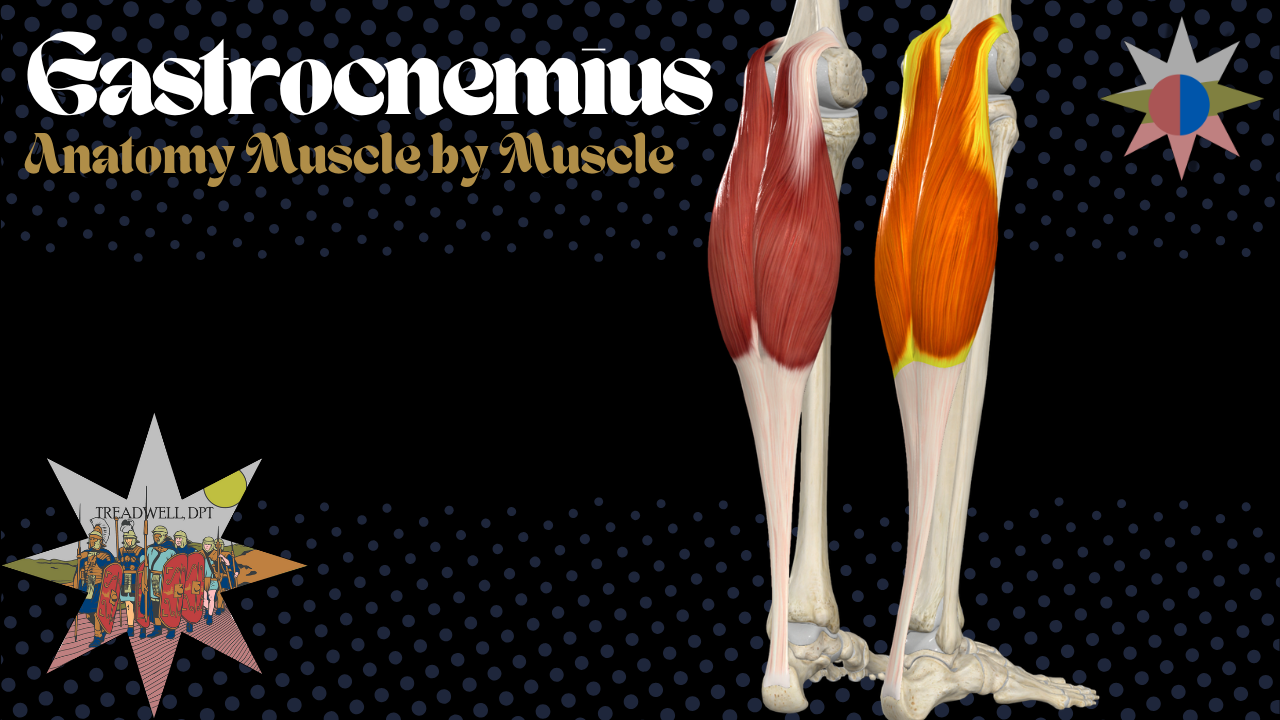
The gastrocnemius is the large, visible calf muscle responsible for explosive movement.
It crosses both the knee and ankle, making it a key player in sprinting, jumping, and rapid movement.
𖤓 Primary for power and speed
𖤓 Active during sprinting and jumping
𖤓 Most commonly injured calf muscle
👉🏾Read more: Gastrocnemius Muscle Anatomy
Soleus – Endurance & Stability

The soleus sits underneath the gastrocnemius and is built for endurance.
It does not cross the knee, which makes it more active during sustained movement like walking and distance running.
𖤓 Primary for endurance and posture
𖤓 Works constantly during standing and walking
𖤓 Often undertrained
👉🏾Read more: Soleus Muscle Anatomy
Plantaris – Small but Clinically Relevant
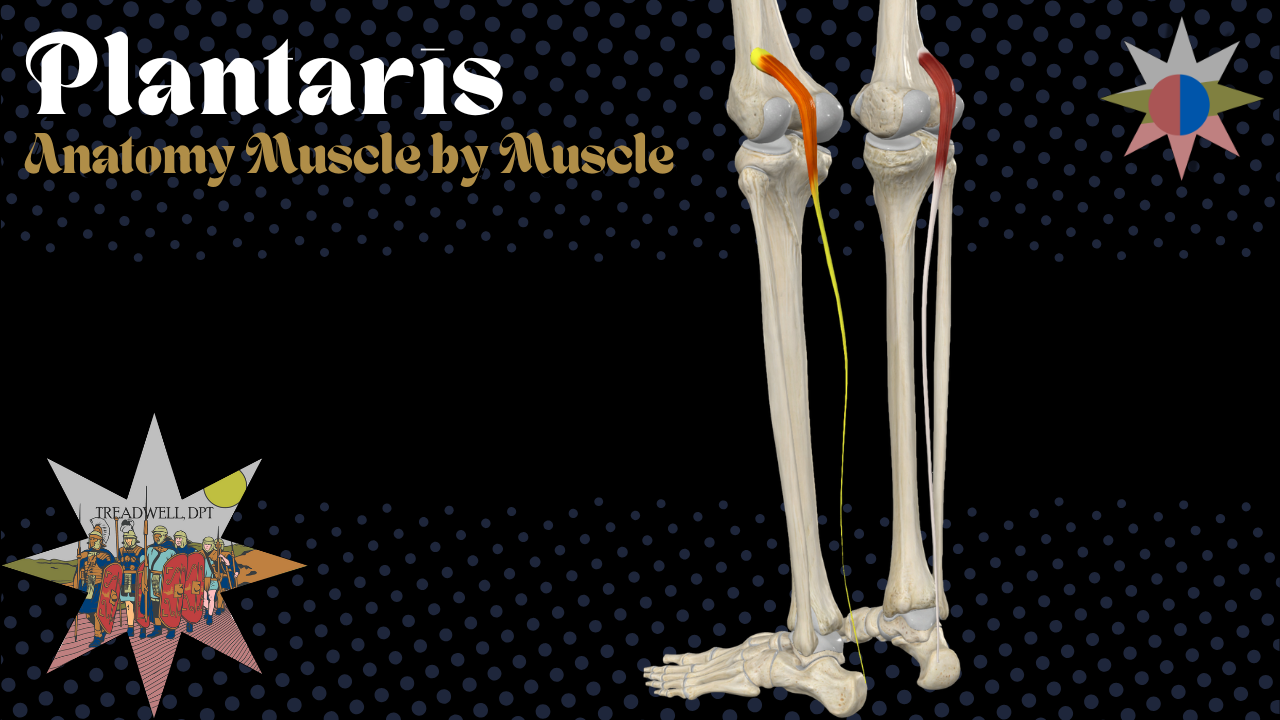
The plantaris is a small, thin muscle with a long tendon.
It doesn’t contribute much to strength, but it can show up in injury presentations and is sometimes confused with other calf issues.
𖤓 Minimal strength contribution
𖤓 Not present in everyone
𖤓 Can be involved in calf pain (“tennis leg”)
👉🏾Read more:Plantaris Muscle Anatomy
How the Calf Muscles Work Together
The calf is not just about strength — it’s about coordination.
𖤓 The gastrocnemius produces force
𖤓 The soleus sustains movement and stability
𖤓 The plantaris may contribute to fine-tuning and sensation
During walking and running, these muscles work together to:
𖤓 Absorb force
𖤓 Control movement
𖤓 Generate propulsion
If one is weak or overloaded, the others often compensate.
That’s when problems start.
Calf Muscle Function
As a group, the calf muscles are responsible for:
𖤓 Plantarflexion (pointing the foot downward)
𖤓 Forward propulsion during walking and running
𖤓 Shock absorption
𖤓 Balance and postural control
This is one of the most important muscle groups for everyday movement and athletic performance.
Common Calf Injuries
Calf-related issues are extremely common, especially in active individuals.
These may include:
𖤓 Gastrocnemius strain (most common)
𖤓 Soleus strain (often overlooked)
𖤓 Achilles tendon irritation
𖤓 “Tennis leg” presentations
𖤓 Overuse-related tightness and fatigue
The key is not just identifying where the pain is — but understanding which structure is involved and why.
How to Train Your Calves Effectively
If you want strong, resilient calves, you need to train both major systems:
For Gastrocnemius (Power)
𖤓 Standing calf raises
𖤓 Plyometrics
𖤓 Sprint work
For Soleus (Endurance)
𖤓 Seated calf raises
𖤓 Bent-knee calf work
𖤓 High-rep training
For Overall Function
𖤓 Progressive loading
𖤓 Single-leg control
𖤓 Movement quality
If you only train one style, you’re leaving performance — and injury prevention — on the table.
Final Thoughts
The calf muscles are simple on the surface — but more complex in function than most people realize.
If you understand how the gastrocnemius, soleus, and plantaris work together, you can train smarter, move better, and avoid common injuries.
This is where good anatomy turns into better performance.
Much more in store; even more to come. Stay tuned, stay locked. Treadwell, DPT. Catch you next time!
FAQs About Calf Muscles
What muscles make up the calf?
The calf is made up of the gastrocnemius, soleus, and plantaris muscles.
What is the main function of the calf muscles?
The primary function is plantarflexion, along with supporting walking, running, and balance.
Why do calf injuries happen?
Calf injuries often occur due to overload, poor training balance, or sudden high-intensity movement.
Should I train calves with bent or straight knees?
Both — straight-leg exercises target the gastrocnemius, while bent-knee exercises target the soleus.
Is the plantaris important?
The plantaris has a minimal role in strength but can be relevant in balance, proprioception, & certain injury presentations.
Real progress isn’t rushed.
Whether you’re in rehab or under the bar, control is what drives adaptation.
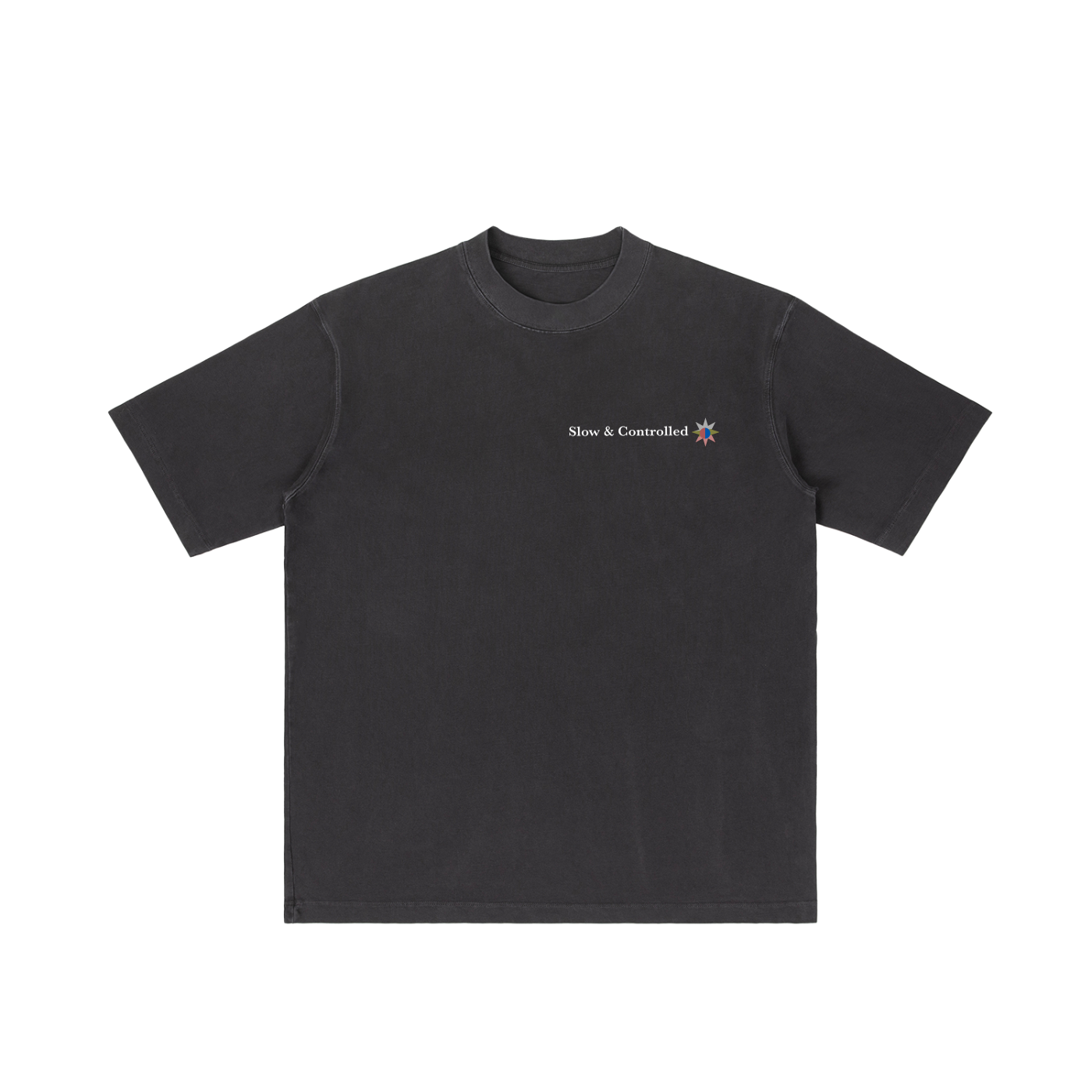
This physical therapy shirt is built around the principle of slow, controlled movement—essential for both rehabilitation and strength training.
The “Slow & Controlled” tee represents proper loading, movement control, and long-term adaptation for lifters, clinicians, and athletes.
Fabric:100% cotton
Fabric Weight:10.3 oz/yd² (350 g/m²)
Fabric Thickness:Thick
Care Instructions:Machine wash at 30°C (gentle cycle); Do not bleach; Tumble dry low; Iron at low temperature, avoid ironing on print; Do not dry clean
Notes:Minor batch differences can occur during blank garment production due to variations in fabric, dye and processing. This is common in apparel manufacturing, and we work hard to keep every item consistent.
NO REFUNDS/EXCHANGES
